№ 187 / 487
Mudbrick villages of the Wādī Doʿan
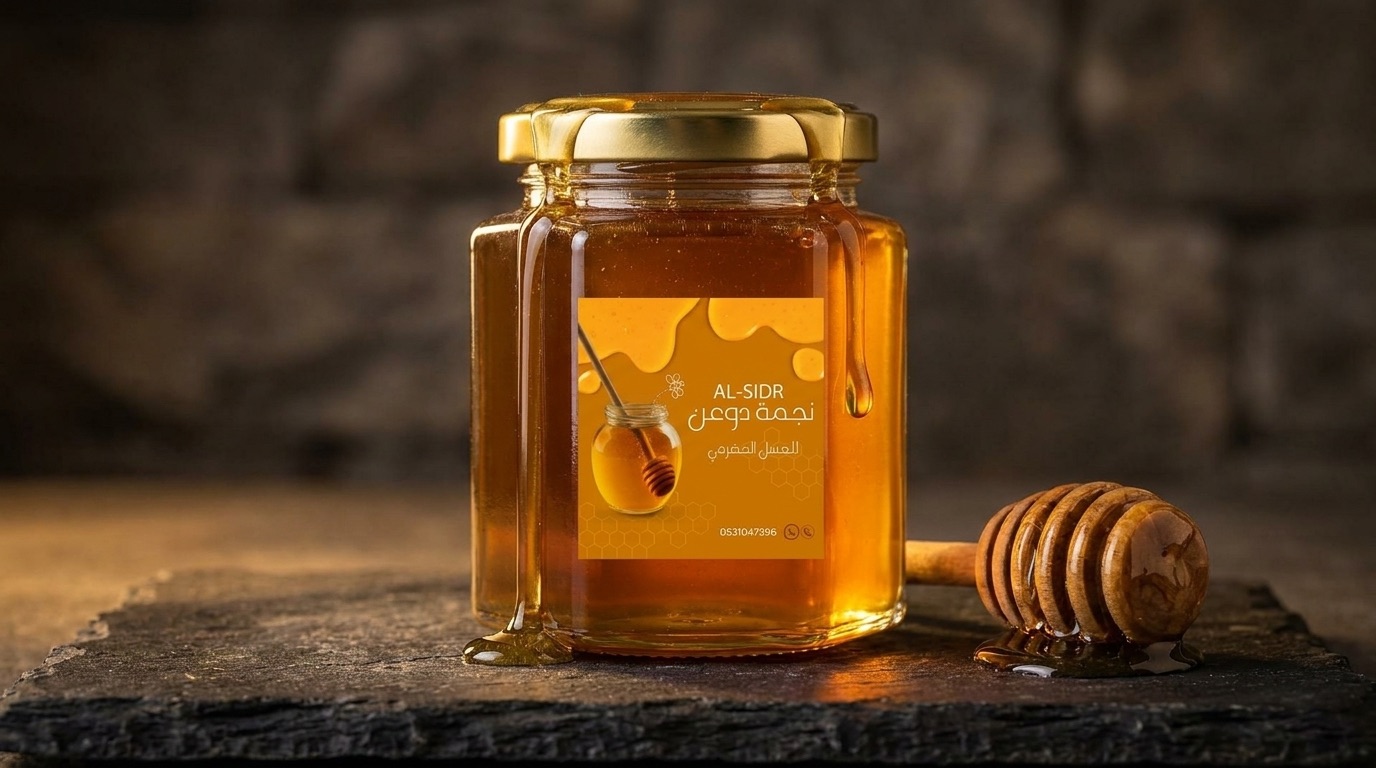
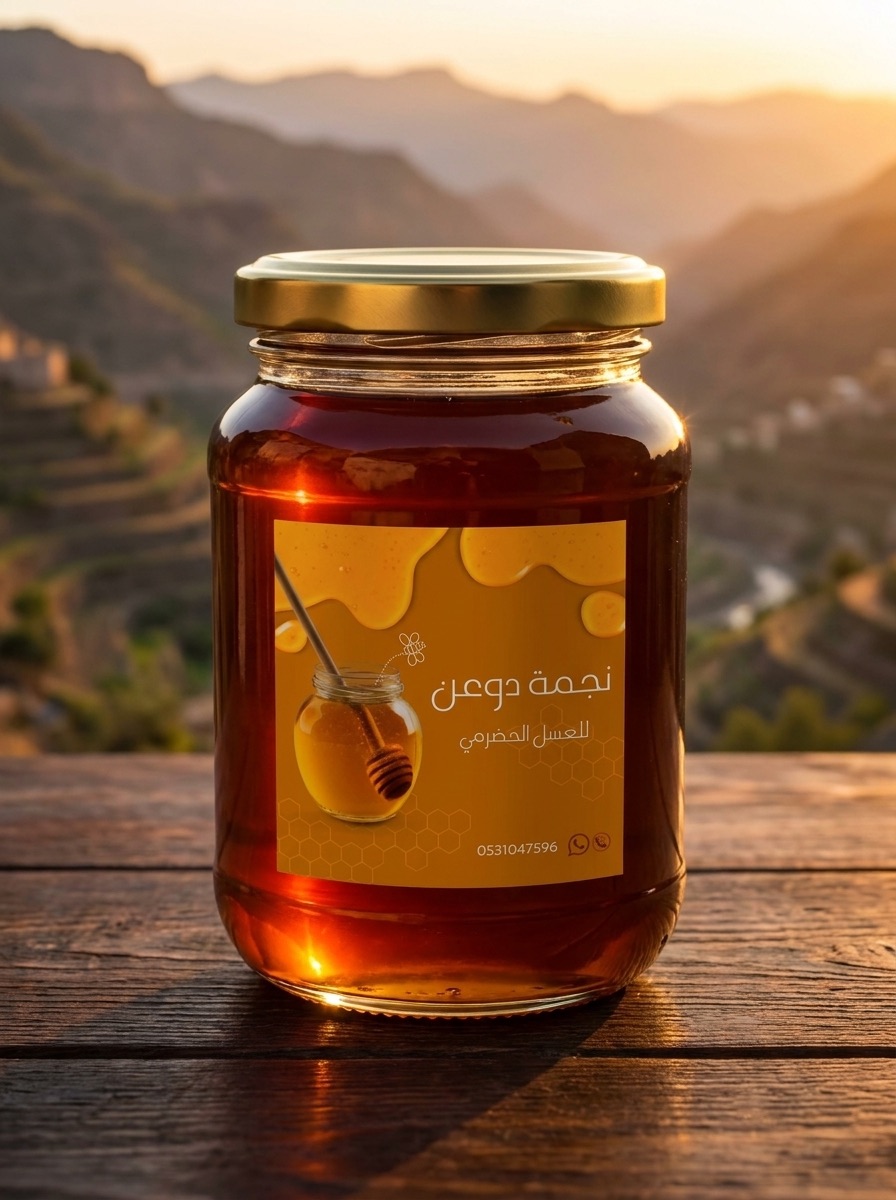
Premium Yemeni Sidr honey from Hadramout, prepared for private clients, hospitality buyers and luxury gifting. Request availability, pricing and bespoke packaging directly from Saudi Arabia.
Most "Sidr honey" on the world market is blended, heat-treated, and filtered until it is no longer a wild honey at all. Ours is none of those things.
Every kilogram is harvested within a single 90 km corridor — Wādī Doʿan, in the Hadramout Governorate of southern Yemen. No blending across regions. No anonymous wholesale honey.
The bees forage exclusively on Ziziphus spina-christi — the ancient Sidr — during its 12-day annual bloom. The result is a 92 % monofloral honey, an analytical extreme almost no other honey achieves.
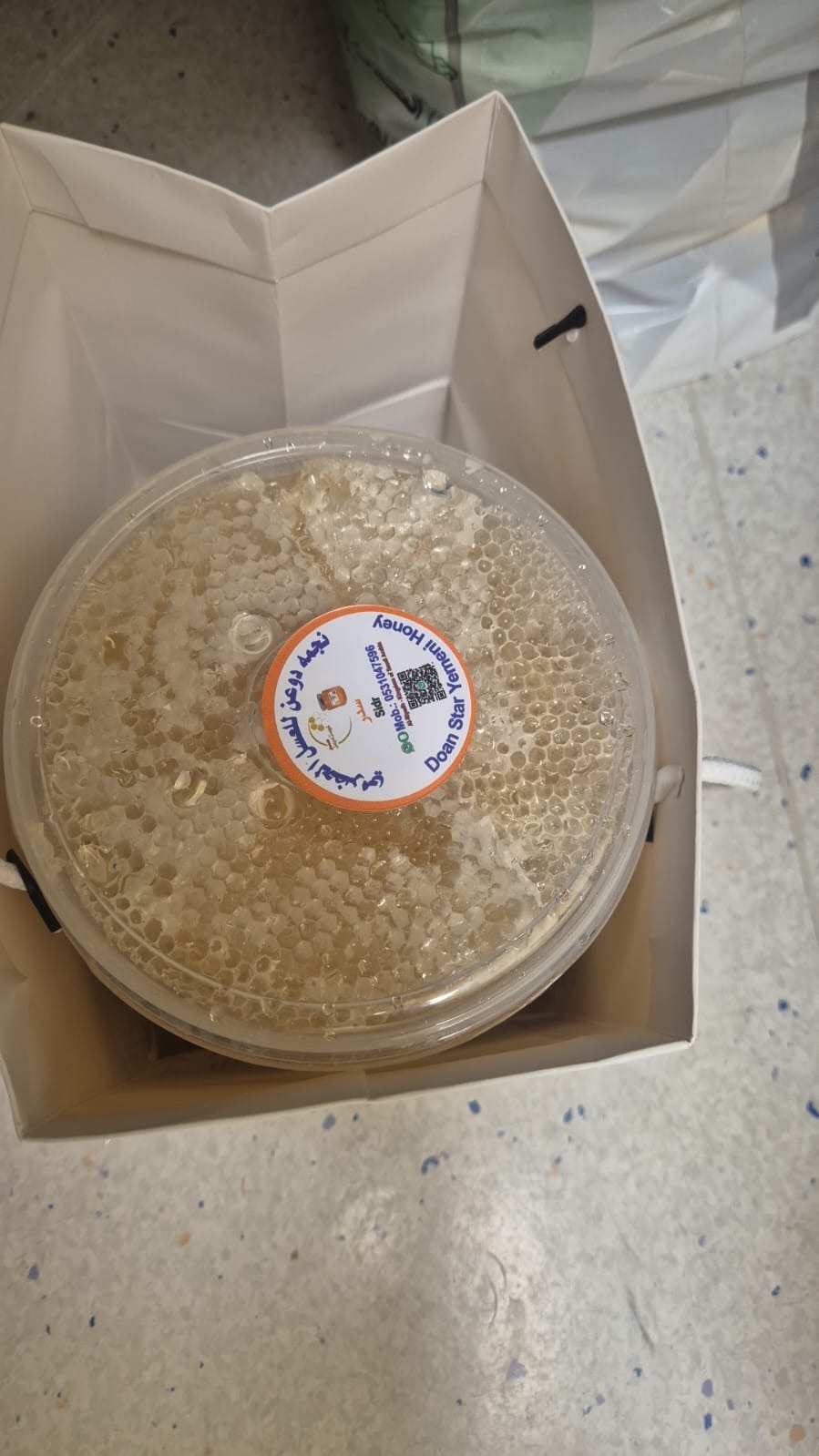
Combs are cold-pressed within hours of harvest, never heated above hive temperature, never filtered. Pollen, propolis and enzymes remain — the honey is bottled as the bees made it.
"There is a drink of varying colours that flows from the bellies of bees — in it is healing for humankind."
For thirty-eight centuries, the honey of southern Arabia has been weighed against silver, sent as tribute, and prescribed by physicians. Below, the figures who paid for it.
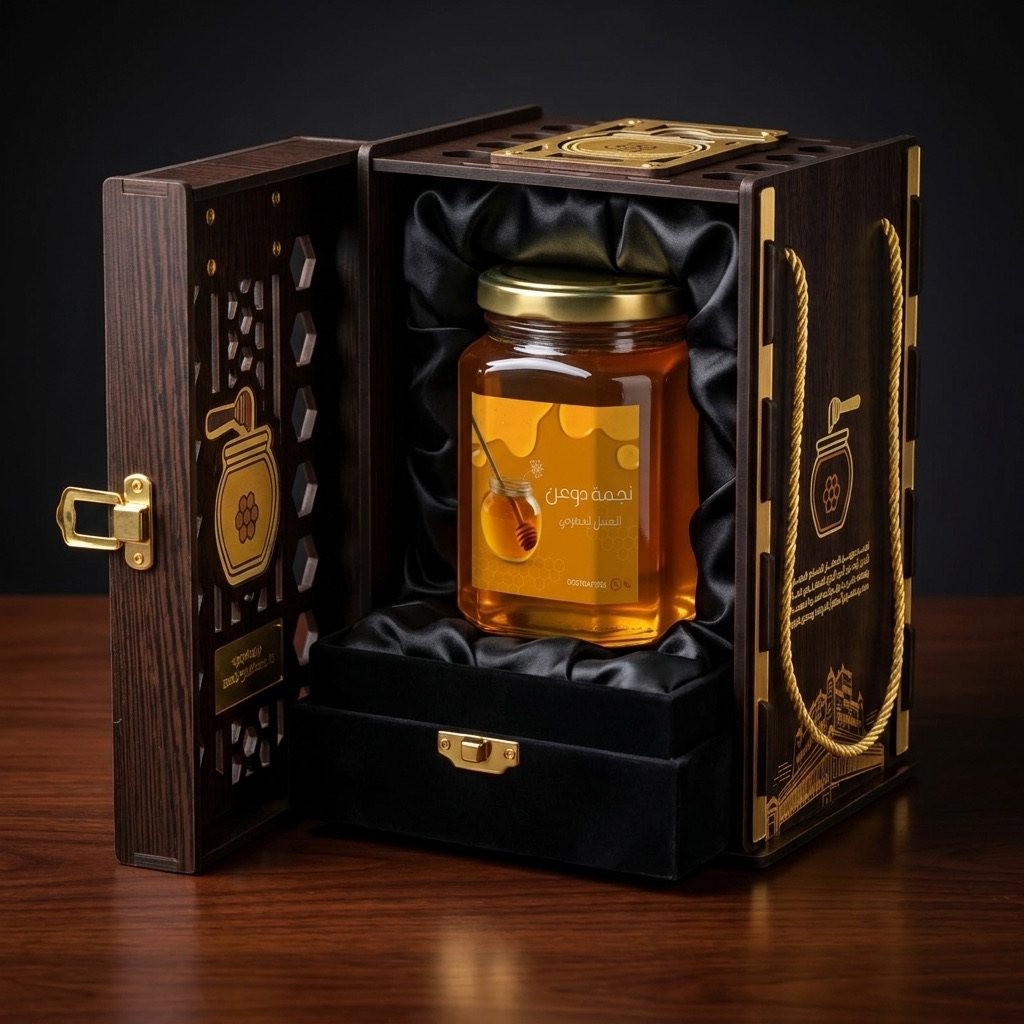
What once required a caravan from Aden, an embassy from Aachen, or a Roman fleet through Berenice — arrives at your door in a numbered cedar crate. The same valley. The same trees. The same families. For the first time, the cuvée that emperors paid for is offered openly — to a small, attentive table.
For one hundred and twenty-eight years, Aden was the southern hinge of the British Empire — a coaling station for India, a transit hub between the Suez and Bombay. Hadrami honey passed up the same docks at Steamer Point that carried Royal Mail and Indian troops, packed in oak cases for the merchant houses of Bombay and the West End grocers of London.
After independence in 1967, the trade contracted. The valley, the trees and the families remained — and so did the honey. We pick up the line.
A 90-kilometre canyon cut into the limestone of the Arabian plateau — narrow, vertical, sheltered, and home to seven beekeeping families whose great-grandfathers tended the same hives.
Wādī Doʿan · 15°22′N · 48°20′E
Shibam · the 16th-c. "Manhattan of the desert"
Mudbrick villages of the Wādī Doʿan
Yemen produces several distinct monofloral honeys — each tied to a specific tree, season, and corner of the country. Sidr is the rarest, the slowest, and the one paid for in silver since antiquity.
The 2026 ledger — every kilogram, every jar, every assay published openly. When the 487 is gone, the next chance is the spring harvest.
The honey is bound by the rhythm of the Sidr. Outside its bloom window, no honey can be made — not at any price.
Dark amber. Almost butterscotch at first, then white-pepper warmth at the back of the tongue, with a long finish of toasted date and frankincense resin.
Beyond the romance — the molecular reasons Yemeni Sidr honey has been called liquid gold since the time of Hippocrates. Independent assays, named compounds, peer-reviewed studies.
Across the scientific literature, monofloral Sidr honeys have been the subject of laboratory study. The list below reflects that published research interest — it is general background, not a health or efficacy claim about this product.
The antimicrobial action of Mānuka rests almost entirely on a single non-peroxide compound: methylglyoxal (MGO), formed from the nectar of Leptospermum scoparium. Trade in Mānuka — commercially branded only since the 1980s — relies on the MGO/UMF rating system.
Yemeni Sidr operates on a richer chemistry: hydrogen-peroxide release from glucose oxidase, an unusually high phenolic load (chrysin, ellagic acid, pinocembrin), and a peppery sesquiterpene fraction unique to Ziziphus spina-christi. Documented in pharmacology literature since Hippocrates.
Representative profile · ICP-OES, HPLC and DPPH assays · Riyadh, 2026 · CLA-26-04 · full batch certificate available on request via the Maison.
The figures above are representative of single-origin Yemeni Sidr honey and are shared for provenance and educational purposes. They describe a natural food and its documented history; they are not medical, therapeutic or health claims. Sidr honey is a food, not a medicine, and is not intended to diagnose, treat, cure or prevent any disease.
From the weekly table to the bespoke gift — every jar numbered, signed, and traceable to a single hive.
№ 187 / 487
№ 042 / 100
№ 09 / 30
Every jar bears its number, the beekeeper's initials, and a serialised lot code traceable to a single hive.
A jar leaves Riyadh with two signatures — the beekeeper's, and the laboratory's. The chain stays open all the way to your door.
"Of all the honeys we received from the lands of the Arabs, that of Sheba was held the most precious in Rome — paid for in silver, weight for weight."
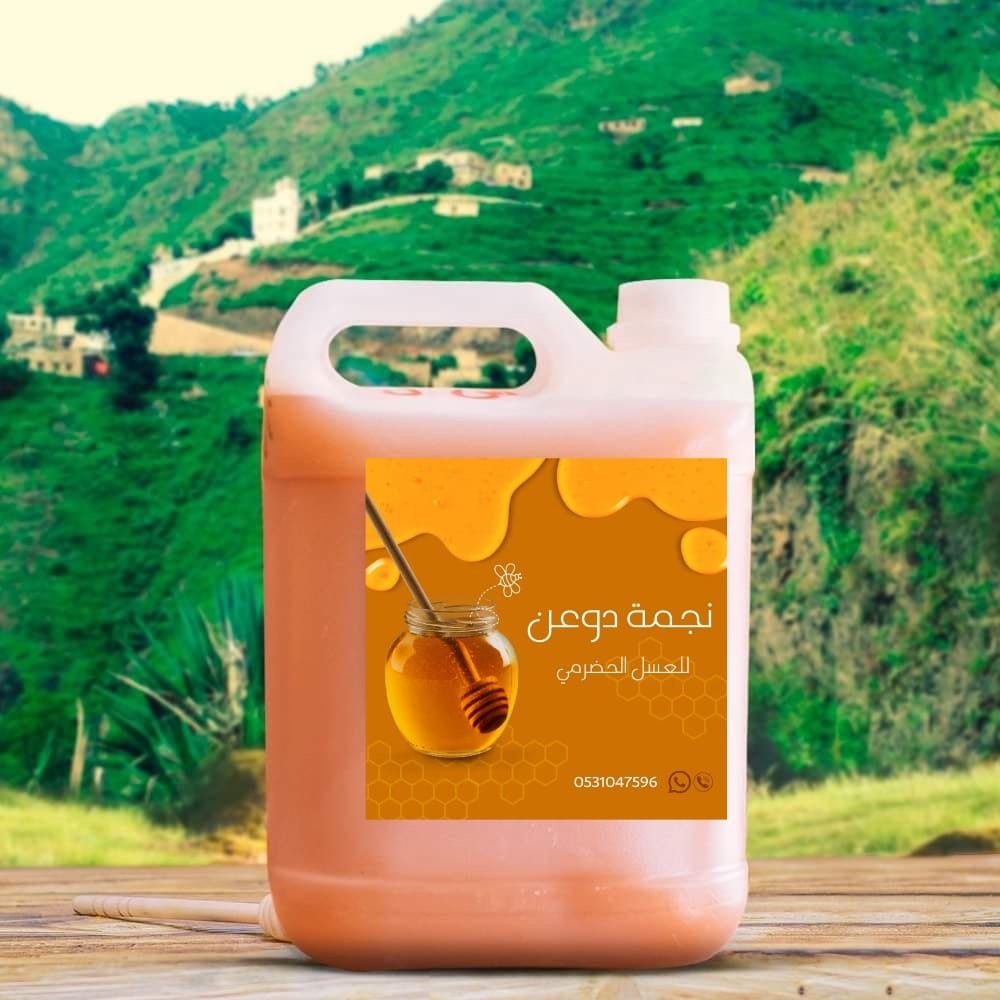
For premium establishments, private buyers and corporate gifting in Saudi Arabia and the Emirates. Tell us what you need and we will reply with availability, formats and next steps.